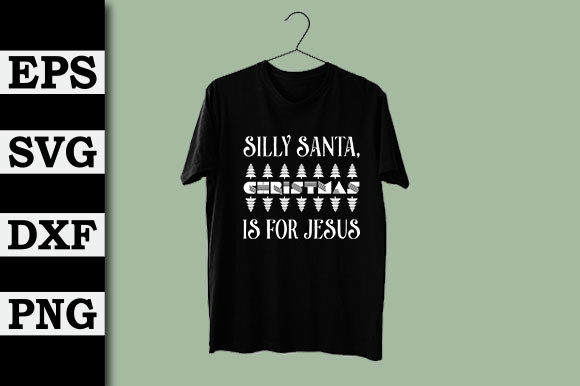
Silly Santa, Christmas is for Jesus Design Review
As a designer who has spent years translating digital graphics into tangible thread and fabric, I approach every new machine embroidery design with a critical eye. The market is flooded with generic holiday patterns, but occasionally, a piece arrives that demands attention for its specific message and visual personality. Today, I am evaluating the Silly Santa, Christmas is for Jesus graphic. This isn't just another festive clipart; it is a statement piece intended for custom apparel, personalized gifts, and boutique merchandise. Before you download the ZIP file containing EPS, SVG, PNG, and DXF files, let's discuss how this design actually performs when moved from your screen to your hoop.
First Impressions: Mood and Visual Weight
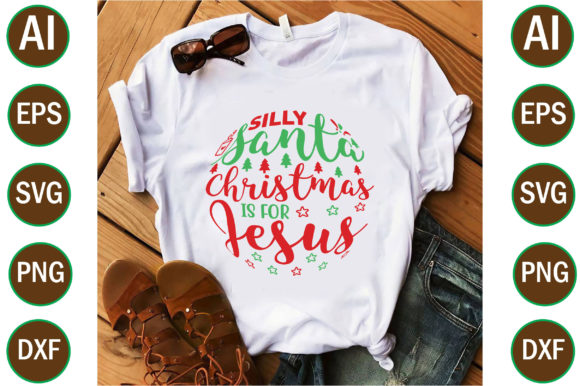
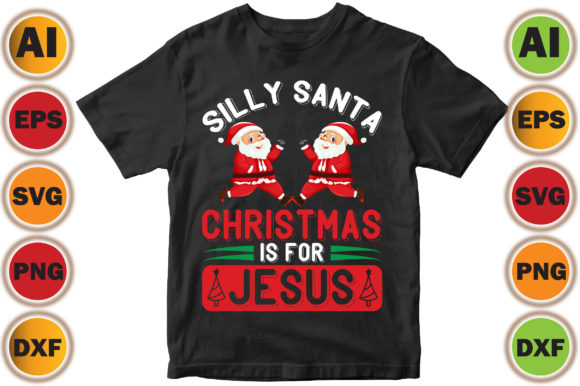
The first thing that strikes me about Silly Santa, Christmas is for Jesus is the juxtaposition of tone. The "Silly Santa" element suggests a playful, perhaps slightly chaotic energy, while the text delivers a serious, faith-based declaration. In the world of T-Shirt Designs and Graphics, balancing these two moods is tricky. Visually, the layout appears robust, which is promising for embroidery. The shapes seem bold enough to hold up under fill stitch without looking muddy, provided the stitch density is managed correctly.
When I look at the silhouette of Santa in this design, I see potential for high-impact satin stitch on the outlines and a textured fill stitch for the red suit. However, the success of this project hinges on how the lettering interacts with the character. If the text is too thin or the font weight is inconsistent, it could get lost against the busy details of Santa's expression. For a handmade product to sell well, the message must be legible from a distance, whether it is on a sweatshirt embroidery project or a small embroidered patch.
Real-World Application: From Hoop to Home
Let's imagine a real-life scenario. You are an Etsy seller preparing a holiday collection, and you want to create a custom embroidered tote bag design featuring this graphic. The tote bag is made of heavy canvas, a forgiving fabric for most machine embroidery designs. When you load the digital embroidery file into your software, you need to consider the placement. Centered on the front of the bag, the Silly Santa, Christmas is for Jesus motif becomes a conversation starter. It signals to the customer that this is not just a decoration, but a reflection of their values.
Now, consider a different application: baby embroidery. A onesie or a nursery pillow cover requires a softer touch. While the message is strong, the execution needs to be gentle. If the design includes sharp corners or dense stitching areas, they might feel scratchy against a baby's skin. In this case, you would need to adjust the stitch density and ensure the backing stabilizer is breathable. Alternatively, this design shines as a holiday gift for adults, such as a kitchen towel or an apron for a family gathering. On a tea towel, the durability of the thread and the clarity of the image become paramount, as these items face frequent washing and friction.
Navigating Fabric and Technical Challenges
Not all fabrics play nice with every graphic. As you prepare to use Silly Santa, Christmas is for Jesus, you must evaluate the material carefully. Textured fabrics like fleece or knit sweaters can distort the design if the hoop tension is too tight. For a sweatshirt embroidery project, using a cut-away stabilizer is non-negotiable to prevent puckering. The stretchiness of the fabric means the design needs to be anchored securely, or the final result will look warped.
Dark fabrics present another challenge. If you plan to embroider this on a black hoodie, the contrast of the white thread against the dark background will make the "Christmas is for Jesus" text pop, but the reds and greens of Santa might require underlays to prevent the dark fabric from showing through. Always test the design on scrap fabric first. Check how the thread colors interact with the base material. If the design relies on fine details, such as tiny lettering or delicate facial features on Santa, those elements may disappear on a textured surface. In such cases, simplifying the design or opting for an applique design technique might yield better results.
Critical Considerations for Small Hoops
If you are working with a 4x4 inch hoop size, you need to assess whether the full scope of Silly Santa, Christmas is for Jesus fits without compromising quality. Sometimes, cramming a large graphic into a small space forces the machine to take shorter stitches, which can lead to thread breakage or uneven coverage. Inspect the small details in the preview mode. If the eyes of Santa or the edges of the text appear pixelated or too close together, resize the design before committing to the actual fabric. Remember, a smaller, cleaner design always looks more professional than a crowded, messy one.
Commercial Viability and Brand Consistency
For craft business owners and small shop product creators, consistency is key. Using Silly Santa, Christmas is for Jesus across multiple products—caps, hats, patches, and pillows—can help build a cohesive brand identity for the holiday season. Customers recognize the style and the message, which builds trust and encourages repeat purchases. However, you must confirm licensing before selling finished items or digital products. Ensure that the rights included in the ZIP file allow for commercial embroidery projects. Selling a physical item with the design is often permitted, but reselling the digital file itself usually violates terms of service.
Visual appeal directly impacts buyer engagement. A high-quality finished product with crisp lines and vibrant thread colors suggests professionalism. Conversely, a poorly executed stitch job can damage your reputation. Use printable mockups to visualize how the design looks on different garments before you invest time and materials. Compare light and dark fabric backgrounds in your mockup stage to ensure the design assets translate well across your inventory.
Practical Designer Notes for Success
To get the best results from this machine embroidery design, follow these practical steps:
- Test on Scrap Fabric: Never skip the test run. Stitch the design on a piece of the same fabric you intend to use for the final product.
- Check Thread Color Contrast: Ensure the colors stand out against the garment. High contrast makes the message readable and attractive.
- Review Stitch Density: Look for gaps in the fill stitch or areas where threads are too packed, which can cause stiffness.
- Confirm Hoop Size: Make sure the design fits comfortably within your hoop without stretching the fabric excessively.
- Inspect Small Details: Zoom in on the running stitch and satin stitch areas to ensure they are defined and not bleeding into adjacent sections.
- Use Proper Stabilizer: Choose a tear-away or cut-away stabilizer based on the fabric texture and the weight of the garment.
- Verify Licensing: Double-check the terms of use for both personal and commercial projects to avoid legal issues.
In conclusion, Silly Santa, Christmas is for Jesus offers a unique blend of humor and conviction that resonates with a specific audience. Whether you are creating a personalized gift for a friend or stocking your boutique with holiday merchandise, this design has the potential to be a standout item. By paying attention to technical details like stabilizer choice, stitch density, and fabric compatibility, you can transform this digital graphic into a high-quality, durable, and meaningful embroidered masterpiece. The key lies not just in the design itself, but in the care and expertise you bring to the stitching process.