Jesus is Light: A Designer's Review for Real Embroidery
As a designer who has spent years translating digital concepts into tangible thread, I approach every new asset with a critical eye. When I first opened the Jesus is Light design file, my immediate goal wasn't just to admire the aesthetic; it was to determine if this piece could survive the rigors of a commercial embroidery project. In the world of handmade products and custom apparel, a beautiful image on a screen means nothing if it doesn't translate well under the needle. This review breaks down how this specific graphic performs in real-world scenarios, from boutique sweatshirts to personalized gifts.
First Impressions: Mood and Visual Weight
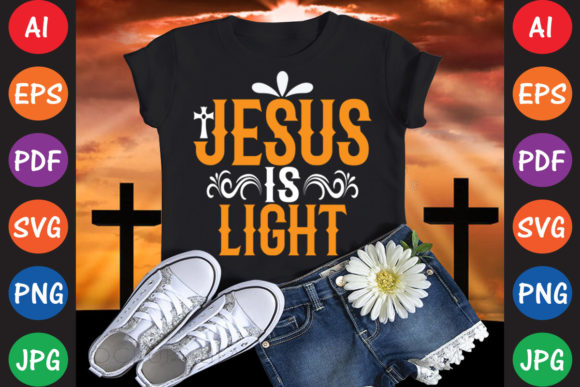
The concept behind Jesus is Light is inherently powerful, relying on spiritual symbolism that resonates deeply with many customers. Visually, the design balances text and iconography in a way that feels modern yet timeless. As a Graphics asset intended primarily for T-Shirt Designs, it carries a certain visual weight that demands respect during the digitization process. The layout suggests a clean, bold statement rather than a delicate, intricate scene. This distinction is crucial because it dictates where the design will shine and where it might struggle.
When reviewing the vector layers provided in the AI and EPS formats, the lines appear crisp. For an embroidery machine, crisp lines are the foundation of a successful run. If the original artwork had jagged edges or overly complex gradients, the resulting stitch count would be unmanageable, leading to puckering or thread breakage. Fortunately, the structure of Jesus is Light seems optimized for clarity, which is a green flag for any serious craft business owner looking to expand their catalog.
Testing the Design in Real Projects
To truly understand the value of this machine embroidery design, I imagined a specific scenario: creating a line of premium tote bags for a local church boutique. Tote bags are a staple for small shop products, but they present unique challenges due to the canvas texture and the large surface area available for stitching. Placing Jesus is Light on a sturdy cotton tote allows the design to breathe. The open space around the central motif ensures that the fill stitch areas have enough room to settle without distorting the fabric.
In contrast, consider using this design for custom apparel like a fitted t-shirt. Here, the placement becomes critical. If the design is too dense, it can create a stiff patch on the chest, which reduces comfort and customer satisfaction. However, because the design appears to utilize a mix of bold outlines and selective filling, it offers flexibility. You could use a satin stitch for the lettering to give it a glossy, professional finish while keeping the background elements lighter to maintain fabric drape. This versatility makes it an excellent candidate for both sweatshirt embroidery and lighter summer tees, provided the stabilizer choice is correct.
For those focusing on personalized gifts, such as baby items or nursery decor, the sentiment of the design is perfect. Imagine a soft hooded towel or a plush blanket featuring this motif. The emotional connection a parent feels when seeing "Jesus is Light" stitched onto a gift often outweighs minor technical imperfections, but as professionals, we aim for perfection. The design's scalability is key here. While it works well at larger sizes, you must verify the minimum legible size before attempting baby embroidery on tiny onesies.
Navigating Fabric Challenges and Technical Limits
No design is universally perfect for every substrate. There are specific situations where Jesus is Light requires careful handling. For instance, applying this graphic to dark fabrics necessitates a backing layer or a specific underlay strategy. Without proper underlay stitches, the white or light-colored threads used in the design may not pop against a black hoodie, diminishing the impact of the message. Always test your thread colors on scrap fabric first to ensure the contrast meets your quality standards.
Texture is another factor. On highly textured fabrics like heavy denim or thick fleece, fine details can get lost in the weave. If your version of this design includes small decorative accents or tiny lettering, you should increase the hoop size slightly to allow the machine to navigate the uneven surface without shifting. Similarly, on stretchy fabrics, the tension of the stitch density can cause the fabric to pucker. Using a cutaway stabilizer is non-negotiable for knits to keep the finished product flat and professional.
Curved surfaces, such as caps or hats, present a different challenge. The geometry of a cap changes the angle at which the needle hits the fabric. If the design contains long, straight runs of satin stitch, they may pull or gap on a curved brim. Before committing to a full production run of embroidered patches or caps, run a test on a spare hat. This simple step saves time, money, and reputation.
Maximizing Value for Your Craft Business
For Etsy sellers and digital product creators, the versatility of the included file formats is a significant advantage. Receiving the design in AI, EPS, PNG transparent, SVG, and PDF means you aren't locked into a single workflow. You can edit the color palette to match seasonal trends or client branding directly in Adobe Illustrator. This ability to customize design assets adds immense value to your service offerings. Whether you are creating holiday embroidery collections or wedding gifts, the ability to tweak the design ensures it fits perfectly within your brand identity.
However, remember that this item is a DIGITAL download. No physical items are sent. This means the responsibility for quality control lies entirely with you. As a reviewer, I strongly advise checking the licensing terms before selling finished items. Some licenses restrict the number of items you can sell or require attribution. Ensure you have the right to use Jesus is Light for commercial embroidery projects to avoid legal issues down the road.
Practical Notes for the Professional Maker
If you decide to incorporate this design into your portfolio, follow these practical steps to ensure success:
- Test on Scrap Fabric: Never skip the test run. Stitch the design on a swatch of the actual fabric you plan to use to check for puckering and alignment.
- Verify Hoop Size: Confirm that your embroidery hoop can accommodate the design dimensions without crowding the needle movement.
- Review Stitch Density: Inspect the digitized file for overly dense areas that might trap air or cause thread bunching.
- Check Color Contrast: Use printable mockups to visualize how the design looks on both light and dark backgrounds before purchasing thread.
- Inspect Small Details: Zoom in on the digital file to ensure no tiny lines or dots will disappear once stitched.
- Use Proper Stabilizer: Match your stabilizer type (tear-away, cut-away, wash-away) to the fabric texture and design complexity.
Ultimately, Jesus is Light offers a strong foundation for meaningful, high-quality embroidery projects. It bridges the gap between spiritual expression and professional craftsmanship. By understanding its strengths and limitations, you can create finished products that not only look stunning but also stand up to the daily wear and tear of real life. Whether you are decorating a kitchen towel, designing a boutique collection, or crafting a heartfelt gift, this design has the potential to elevate your work when handled with care and expertise.